
UX monitoring & optimisation
A big redesign is the bill for fixes put off for years
Problems put off until a big redesign discourage users the whole time, then end up in one expensive project. After launch we watch how people use the product and improve it in small steps, every month.
Written by Radosław Kołacki Updated
Trusted by



















When is UX monitoring worth it?
The product is live and needs to keep evolving. The team wants to improve it continuously, based on what users actually do.
A Product Owner also finds a fixed monthly fee with an effect visible in the data easier to defend before the management board than a one-off big redesign.
Who is UX monitoring for?
- The product has launched and is meant to keep growing
- A Product Owner or Head of Product wants to decide on changes based on data about user behaviour
- The company has been through an audit or redesign and wants to keep experience quality up over time
- Usability and accessibility need checking continuously, for example in medtech and health
How it works
How does a month of UX monitoring work step by step?
01
We observe
Every month we review session recordings and click maps from Hotjar, together with metrics from product analytics.
02
We draw conclusions
We pick the changes with the greatest impact on users and agree them with the team.
03
We improve
We design and implement small, measurable changes, then check their effect in the data.
04
We repeat
We repeat the cycle every month, so the product keeps improving without pausing for a big redesign.
Every month data-driven improvements go into the product, so it does not age between one redesign and the next.
How much does UX monitoring cost?
from PLN 2,000 net/month
Monitoring costs from PLN 2,000 net per month. Monitoring is billed as a fixed monthly fee, sized to the scope of work.
The first call does not lead to a long contract up front. We adjust the scope of monthly work as the engagement goes on. We send a reply within a few hours.

„We wholeheartedly recommend Squares. We have worked together for years and they are one of those partners you can rely on 100%. Among many different projects, they built our company website with an advanced integration with an external database. They do not stop at the code.”
 Inprogress - sukces w zarządzaniu
Google review, translated from Polish · Full review
Inprogress - sukces w zarządzaniu
Google review, translated from Polish · Full review
Work
How it works in practice
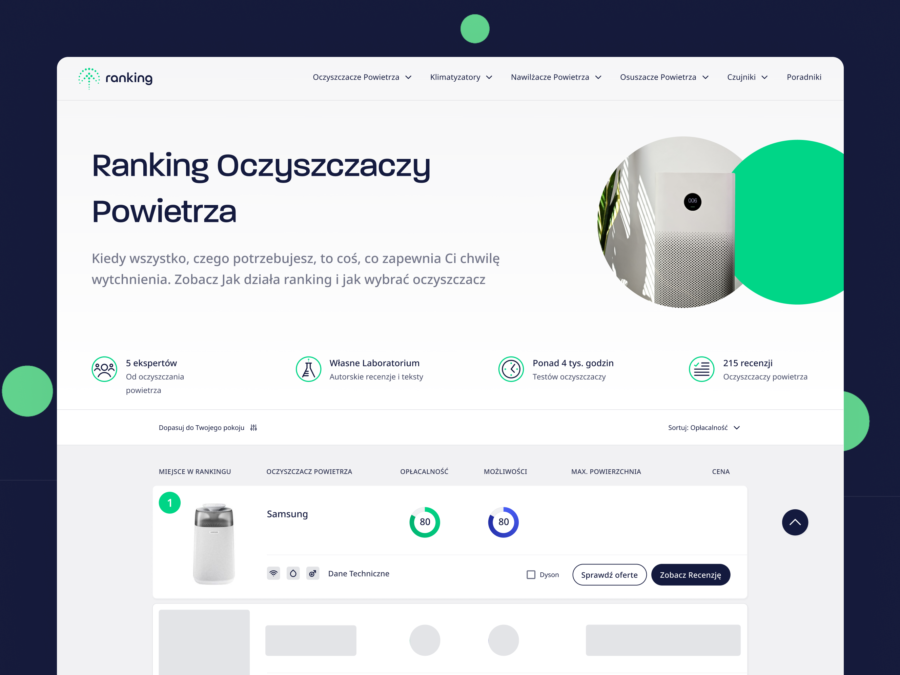 Air purifier ranking: improvements shipped since 2022
Since the platform launched we have been steadily implementing improvements based on user feedback. We have worked together since 2022.
Case study
Air purifier ranking: improvements shipped since 2022
Since the platform launched we have been steadily implementing improvements based on user feedback. We have worked together since 2022.
Case study
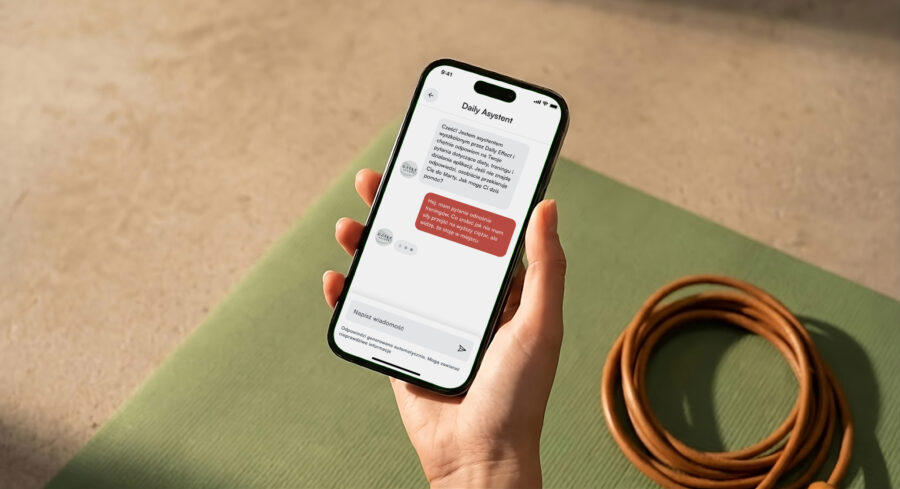 Daily Effect: an AI assistant improved from real conversations
The team measures the effectiveness and topics of conversations and updates the assistant's knowledge base based on real user questions.
Case study
Daily Effect: an AI assistant improved from real conversations
The team measures the effectiveness and topics of conversations and updates the assistant's knowledge base based on real user questions.
Case study
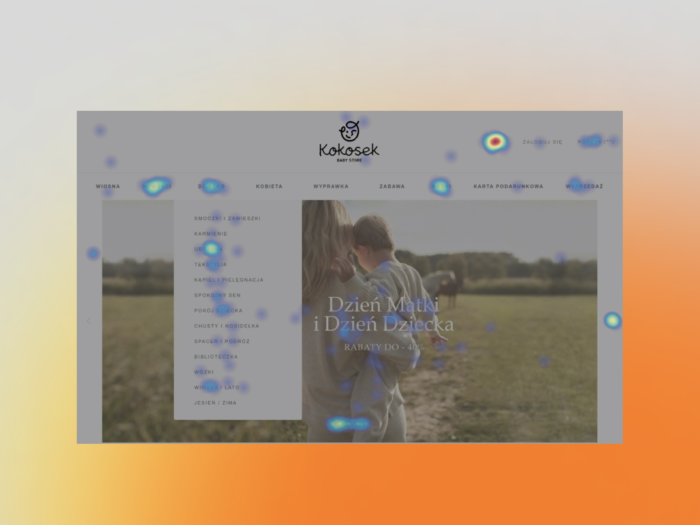 Kokosek: heat maps and behaviour data
In the shop audit we worked with the same sources as in monitoring: Google Analytics, Hotjar, heat maps and scroll analysis. It was a one-off diagnosis, not a monthly cycle.
Case study
Kokosek: heat maps and behaviour data
In the shop audit we worked with the same sources as in monitoring: Google Analytics, Hotjar, heat maps and scroll analysis. It was a one-off diagnosis, not a monthly cycle.
Case study
Why Squares
Small improvements every month do not hold up product development and do not mean waiting for a big redesign. We work with the tools the team already has, including Hotjar, of which we are an official partner.
Questions
Frequently asked questions
What is UX optimisation?
UX optimisation is the continuous improvement of a product based on how people really use it. Every month we review session recordings and click maps from Hotjar and metrics from analytics, pick the changes with the biggest impact, implement them and check the effect in the data. The product improves in small steps, without waiting for a big redesign.
How is UX monitoring different from a one-off audit?
A UX/UI audit shows the state of a product at a single moment and ends with a report and recommendations. Monitoring is continuous work: every month we observe user behaviour, design and implement small improvements, then measure their effect. Monitoring is chosen by companies after an audit or redesign that want to keep the quality of the experience over time.
How much does UX monitoring and optimisation cost?
Monitoring is billed as a fixed monthly fee, and the amount depends on the scope of work. We give a figure after the first call about the product. The engagement does not start with a long contract, and the scope of monthly work changes as it goes on. We reply to an enquiry within a few hours.
Is it better to improve a product monthly or do a big redesign?
Monthly improvements replace the redesign that collects problems postponed for years. A postponed problem puts users off the whole time and then lands in one expensive project. Small changes do not stop product development, and a fixed monthly fee with an effect visible in the data is easier to defend to the board than a one-off large spend.
What does a monthly UX optimisation cycle look like?
The cycle has four steps and repeats every month. First, a review of session recordings, click maps and metrics. Then the choice of changes with the biggest impact on users, agreed with the team. Next, the design and implementation of small, measurable changes. Finally, a check of their effect in the data, which opens the following month.
What data is UX monitoring based on?
Monitoring is based on two sources: user behaviour, meaning session recordings and click maps from Hotjar, and metrics from product analytics, for example Google Analytics. Recordings show where a user gets lost; metrics show how many people it affects. Squares is an official Hotjar partner.
Does UX monitoring need a separate platform or a new tool?
No. We run monitoring on the tools the team already has, such as Hotjar and Google Analytics, so access to them is enough to start. If the product does not have these tools, we help set them up before the first monthly cycle begins. Changes chosen from this data are agreed with the team before implementation.
How is UX monitoring & optimisation different from Analytics & performance?
Analytics & performance shows where a product loses users and performance, and ends with a report and recommendations. UX monitoring & optimisation works continuously: every month changes are designed, implemented and checked in the data. Analytics fits before the decision on what to fix first; monitoring fits after launch, when the product is meant to grow.
Does UX monitoring cover accessibility (WCAG)?
Yes. Usability and accessibility are checked in the same monthly cycle, which matters most in medtech and health products. The European Accessibility Act has been enforced since June 2025 and applies to every industry, so WCAG conformance has to be maintained after launch too, with every further change.
Are there examples of ongoing product optimisation?
Yes. On the air purifier ranking platform we have been shipping improvements based on user feedback continuously since 2022. In the Daily Effect app the team measures the effectiveness and topics of conversations with the AI assistant and updates its knowledge base from real user questions. Over more than 6 months the assistant resolved 72.7% of cases without a human agent.